South Cape closes late
Around Cape Coral Parkway and SE 47th Terrace, dinner can roll straight into nightlife. Service windows need to respect customers, music, parking, and the staff’s real closing routine—not an optimistic time printed on a door.
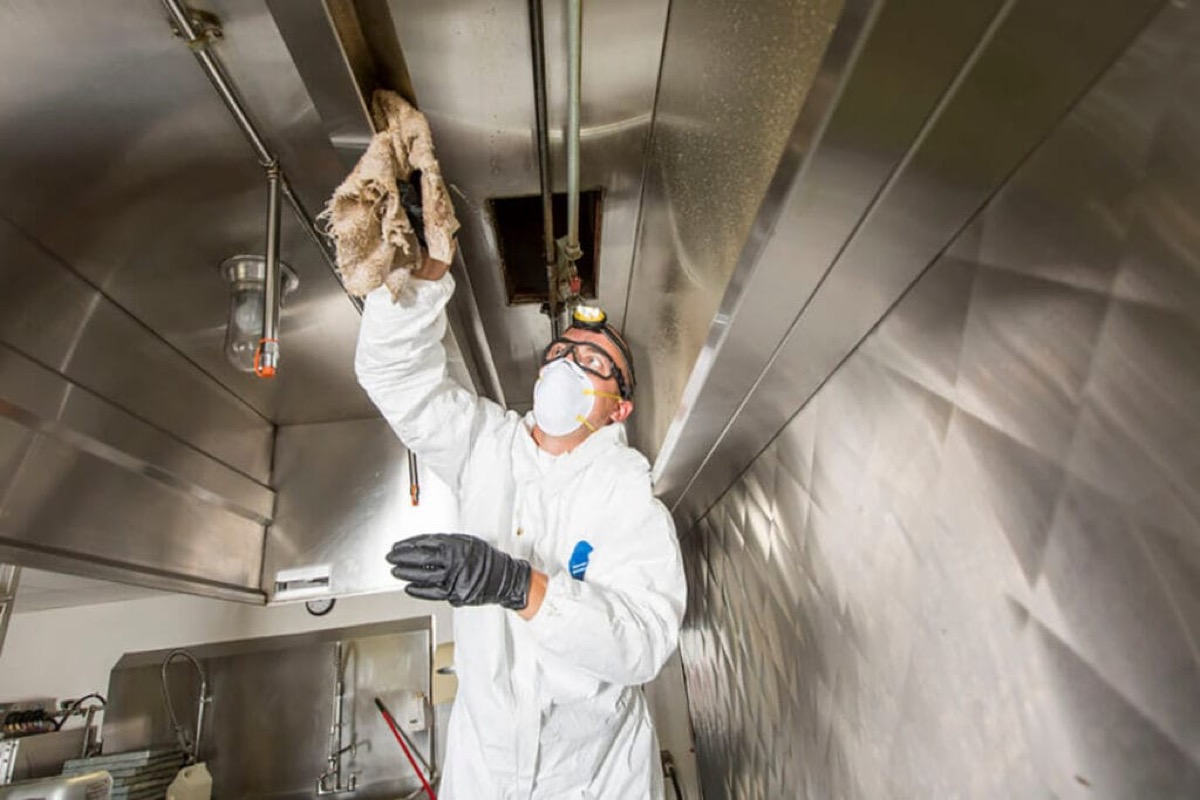
Commercial hood and exhaust cleaning planned around South Cape nights, busy restaurant corridors, and the city’s spread-out geography.
Cape Coral does not have one single restaurant district or one standard kitchen setup. South Cape mixes nightlife, waterfront traffic, and older commercial spaces near Cape Coral Parkway, while Del Prado Boulevard and Pine Island Road carry freestanding restaurants, neighborhood grills, and newer plaza kitchens. That mix changes everything from roof access to where a crew can stage equipment after closing.
The useful question is not simply “How much is hood cleaning?” It is “Which parts of this system are included, how will the kitchen be protected, and what access does the crew need?”
“We’re right off Del Prado” is useful. A cross street is even more useful. Cape Coral has a generous definition of nearby.
Local details that can change access, timing, containment, or the actual hood-to-fan scope.
Around Cape Coral Parkway and SE 47th Terrace, dinner can roll straight into nightlife. Service windows need to respect customers, music, parking, and the staff’s real closing routine—not an optimistic time printed on a door.
A kitchen near Veterans Parkway can have a very different building and rooftop setup from one farther north near Pine Island Road. Photos of the hood, fan, and access point help keep “Cape Coral” from becoming the entire scope description.
Cape Coral’s size and connections to Fort Myers can turn a vague arrival window into a scheduling problem. Confirming access, contact names, and shutdown timing before dispatch helps the night start cleanly.
A useful quote accounts for the way this particular kitchen closes, the route to the fan, and the people or property rules between the crew and the roof.
Start with the part you can see. Then make sure the scope accounts for the grease path behind it.
Detailed cleaning of hood interiors, plenums, filters, and accessible grease-collection areas.
See what’s includedCleaning across the hood, accessible ductwork, and exhaust fan—not just the surfaces customers can see.
See what’s includedCommercial exhaust cleaning planned around real restaurant schedules, equipment, and cooking volume.
See what’s includedGrease removal from accessible rooftop or exterior exhaust-fan components as part of the system scope.
See what’s includedUse the map for city-level context only. It does not represent a storefront or claim a physical office in Cape Coral.
That is often the practical window, but “closed” and “ready for a cleaning crew” are not always the same time. Staff cleanup, late tables, music, parking, and equipment cooldown should be discussed before the service date.
They may. Shared roofs, locked access points, ladder restrictions, and property-management rules can affect fan access. Confirm who controls the roof before the crew arrives.
Include hood count and length, cooking type, kitchen hours, fan or roof access, current system condition, and any scheduling concern. Photos can help clarify the layout.
No. The site is focused on commercial kitchen hood and exhaust systems for food-service operations.
Do not assume it does. Ask for a written scope identifying whether the hood, plenum, accessible ducts, fan, and containment areas are included.
Tell us about the hood, cooking line, access, and timing. We’ll help define the scope before the work starts.