Periwinkle Way sets the pace
Many island restaurants and cafés sit on or near Periwinkle Way, where peak-season traffic and the Causeway Boulevard intersection can shape arrival times. A broad “after lunch” window is not much of a plan.
Carefully scheduled hood and exhaust cleaning for Sanibel’s island restaurants, inns, resorts, and community kitchens.
Sanibel’s food-service footprint follows Periwinkle Way, Palm Ridge Road, the East End, Gulf Drive lodging, and a collection of small plazas and resort properties rather than a conventional mainland grid. Causeway traffic, peak-season flow, bicyclists, guests, and compact service areas all make advance coordination especially valuable.
The useful question is not simply “How much is hood cleaning?” It is “Which parts of this system are included, how will the kitchen be protected, and what access does the crew need?”
Causeway traffic has a way of turning “sometime Tuesday” into an expensive scheduling philosophy. Specific windows are friendlier.
Local details that can change access, timing, containment, or the actual hood-to-fan scope.
Many island restaurants and cafés sit on or near Periwinkle Way, where peak-season traffic and the Causeway Boulevard intersection can shape arrival times. A broad “after lunch” window is not much of a plan.
An island café, inn kitchen, and Gulf-side resort may each have completely different fan access, storage limits, and guest-separation needs. Compact sites often reward better preparation, not smaller assumptions.
Sanibel operators sell a calm guest experience. Containment, hose routing, odor control, and a clean departure matter when rooms, patios, bikes, and morning customers are close to the work area.
A useful quote accounts for the way this particular kitchen closes, the route to the fan, and the people or property rules between the crew and the roof.
Start with the part you can see. Then make sure the scope accounts for the grease path behind it.
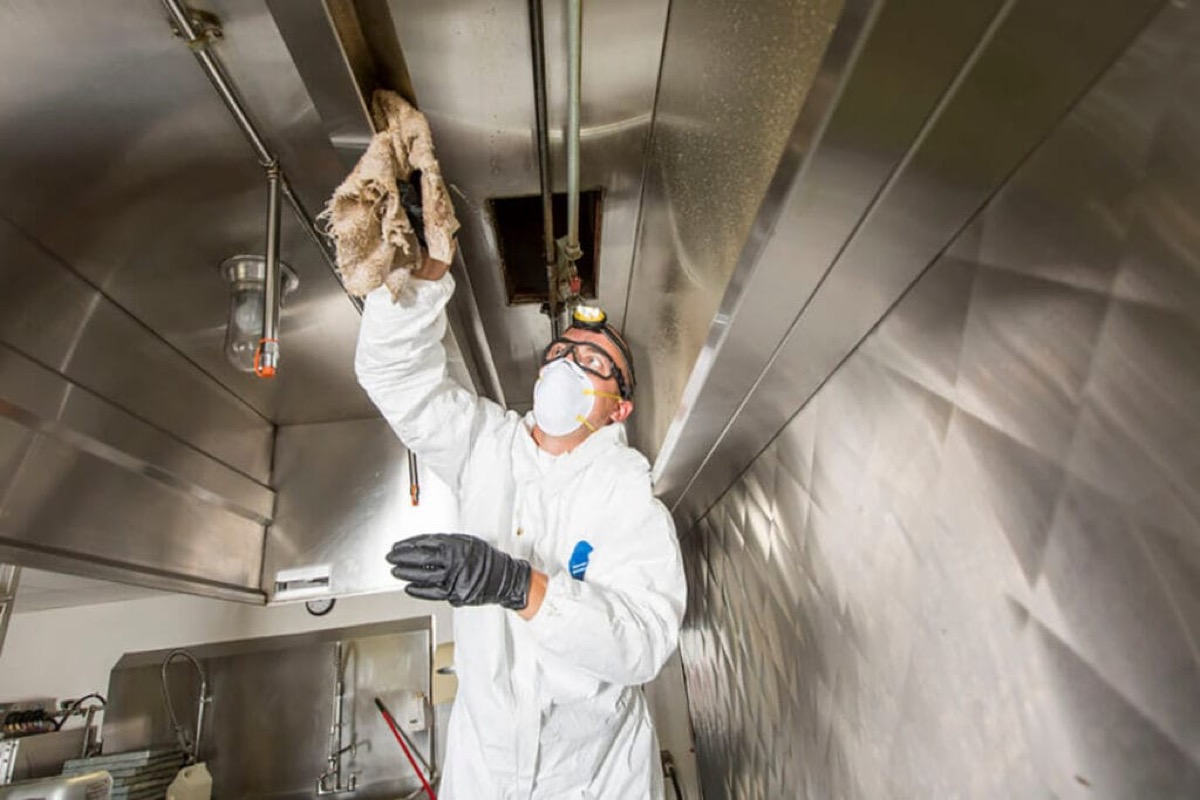
Detailed cleaning of hood interiors, plenums, filters, and accessible grease-collection areas.
See what’s includedCleaning across the hood, accessible ductwork, and exhaust fan—not just the surfaces customers can see.
See what’s includedCommercial exhaust cleaning planned around real restaurant schedules, equipment, and cooking volume.
See what’s includedGrease removal from accessible rooftop or exterior exhaust-fan components as part of the system scope.
See what’s includedUse the map for city-level context only. It does not represent a storefront or claim a physical office in Sanibel.
Choose a realistic arrival window, share the exact service entrance, and identify the onsite contact who can provide access. Peak-season traffic and a missed key handoff can consume a short overnight service window quickly.
Yes, with advance planning. Discuss quiet hours, elevator or stair access, guest pathways, odor and runoff containment, security check-in, and when the kitchen can be safely taken offline.
Include hood count and length, cooking type, kitchen hours, fan or roof access, current system condition, and any scheduling concern. Photos can help clarify the layout.
No. The site is focused on commercial kitchen hood and exhaust systems for food-service operations.
Do not assume it does. Ask for a written scope identifying whether the hood, plenum, accessible ducts, fan, and containment areas are included.
Tell us about the hood, cooking line, access, and timing. We’ll help define the scope before the work starts.