The River District has layers
First Street and the surrounding downtown blocks include historic buildings, tight service alleys, second-story spaces, and newer rooftop concepts. The fan may be several architectural decisions away from the cook line.
Hood-to-fan cleaning scopes for River District restaurants, US-41 kitchens, hotels, and institutional food service.
Fort Myers puts historic downtown kitchens, rooftop bars, sidewalk cafés, hotels, medical campuses, and US-41 restaurant sites in the same city name. The River District’s brick-lined blocks and event nights call for a different access plan than a freestanding Cleveland Avenue kitchen or a facility preparing breakfast before most of downtown is awake.
The useful question is not simply “How much is hood cleaning?” It is “Which parts of this system are included, how will the kitchen be protected, and what access does the crew need?”
First Street can fill up faster than a Friday prep list. The hood crew would rather know that before the hose comes off the truck.
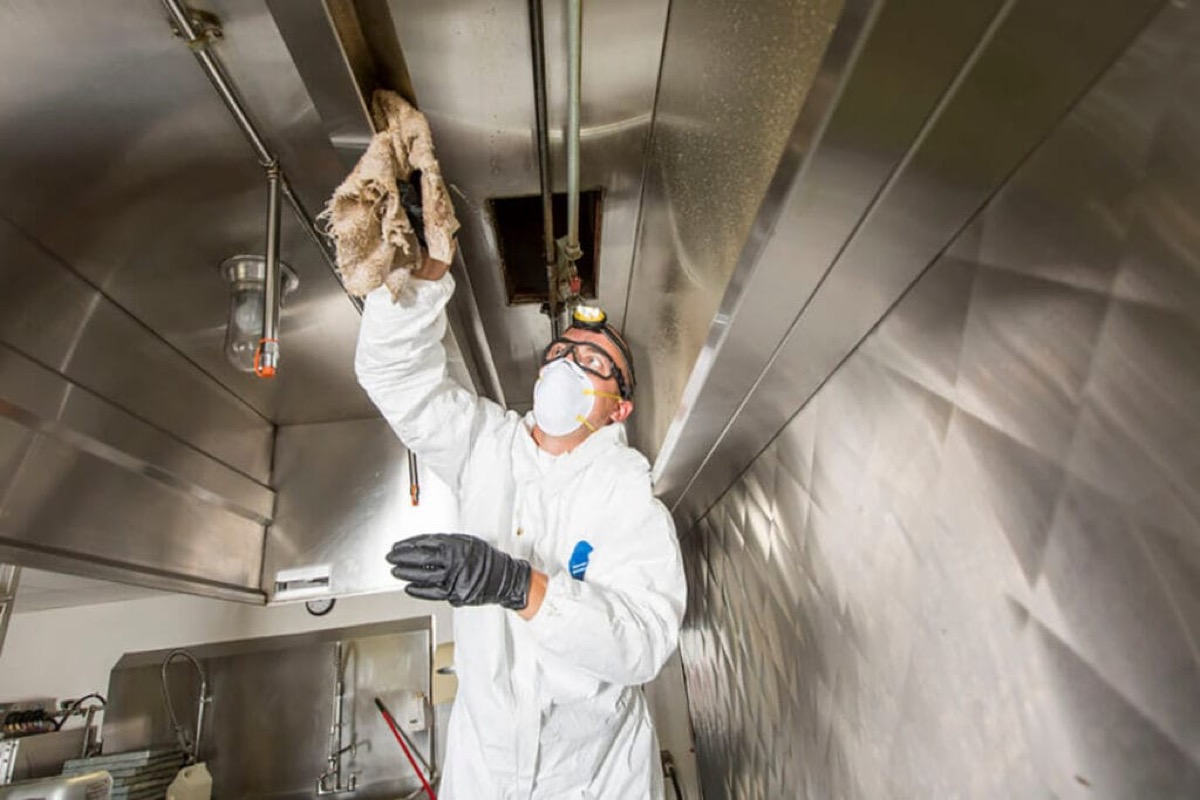
Local details that can change access, timing, containment, or the actual hood-to-fan scope.
First Street and the surrounding downtown blocks include historic buildings, tight service alleys, second-story spaces, and newer rooftop concepts. The fan may be several architectural decisions away from the cook line.
Downtown event nights can bring street activity, parking pressure, and longer operating hours. A cleaning plan should check the city calendar instead of discovering the crowd while unloading hoses.
Hotels, quick-service restaurants, medical-area kitchens, and standalone buildings along the larger commercial corridors often offer better staging but can have larger systems and earlier meal schedules.
A useful quote accounts for the way this particular kitchen closes, the route to the fan, and the people or property rules between the crew and the roof.
Start with the part you can see. Then make sure the scope accounts for the grease path behind it.
Detailed cleaning of hood interiors, plenums, filters, and accessible grease-collection areas.
See what’s includedCleaning across the hood, accessible ductwork, and exhaust fan—not just the surfaces customers can see.
See what’s includedCommercial exhaust cleaning planned around real restaurant schedules, equipment, and cooking volume.
See what’s includedGrease removal from accessible rooftop or exterior exhaust-fan components as part of the system scope.
See what’s includedUse the map for city-level context only. It does not represent a storefront or claim a physical office in Fort Myers.
Share the floor level, loading or alley access, roof-access route, operating hours, and any downtown event conflict. Historic buildings and multi-level concepts can require more planning than the hood length alone suggests.
Often, but the best window depends on breakfast production, security access, quiet hours, and when cooking equipment can be shut down and cooled. The facility contact should confirm those constraints before scheduling.
Include hood count and length, cooking type, kitchen hours, fan or roof access, current system condition, and any scheduling concern. Photos can help clarify the layout.
No. The site is focused on commercial kitchen hood and exhaust systems for food-service operations.
Do not assume it does. Ask for a written scope identifying whether the hood, plenum, accessible ducts, fan, and containment areas are included.
Tell us about the hood, cooking line, access, and timing. We’ll help define the scope before the work starts.