Commercial Kitchen Hood Cleaning
Detailed cleaning of hood interiors, plenums, filters, and accessible grease-collection areas.
See what’s includedCompare the parts of the system, understand the scope, and request service built around a working commercial kitchen.
Start with the part you can see. Then make sure the scope accounts for the grease path behind it.
Detailed cleaning of hood interiors, plenums, filters, and accessible grease-collection areas.
See what’s includedCleaning across the hood, accessible ductwork, and exhaust fan—not just the surfaces customers can see.
See what’s includedCommercial exhaust cleaning planned around real restaurant schedules, equipment, and cooking volume.
See what’s includedGrease removal from accessible rooftop or exterior exhaust-fan components as part of the system scope.
See what’s included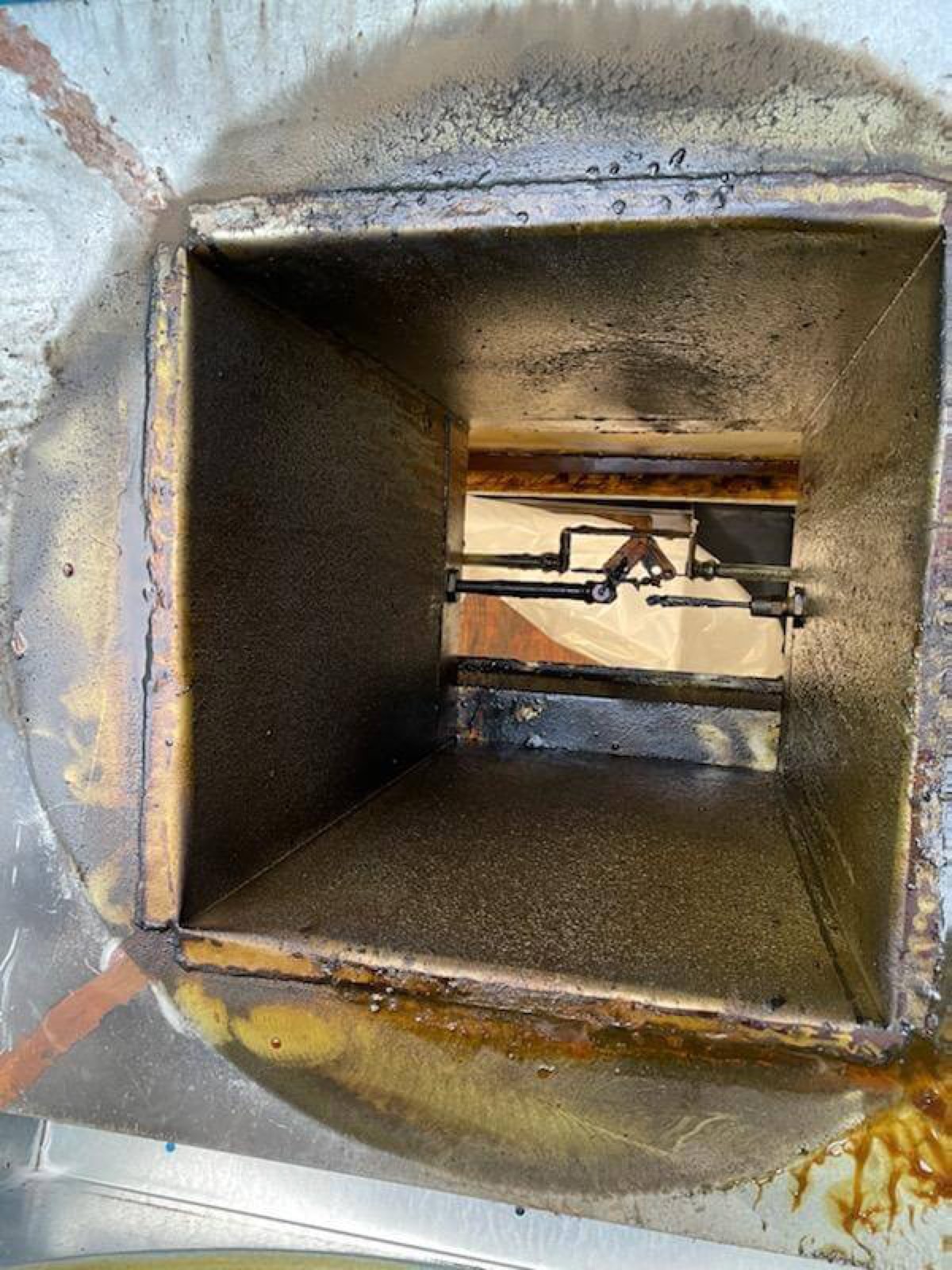
The right interval depends on cooking volume, fuel, and the type of operation. A high-volume or solid-fuel kitchen may accumulate grease much faster than a low-volume operation. Use the system condition and applicable requirements—not a one-size-fits-all guess—to plan service.
No. Grease can collect in the plenum, accessible ductwork, fan, and grease-containment areas. Confirm exactly which components are included in the quote.
Share the number and length of hoods, cooking type, business hours, fan or roof access, current condition, and any timing concern. Photos can also help clarify the system before an on-site review.
Cleaning, mechanical repair, and fire-suppression service are different scopes. Visible concerns can be identified for the appropriate licensed contractor to evaluate.
The City of Cape Coral maintains commercial kitchen hood permitting guidance. Cleaning scope and frequency should be evaluated separately from installation or alteration permits and against the requirements that apply to the specific facility.
Tell us about the hood, cooking line, access, and timing. We’ll help define the scope before the work starts.